
Phantom Lawyer
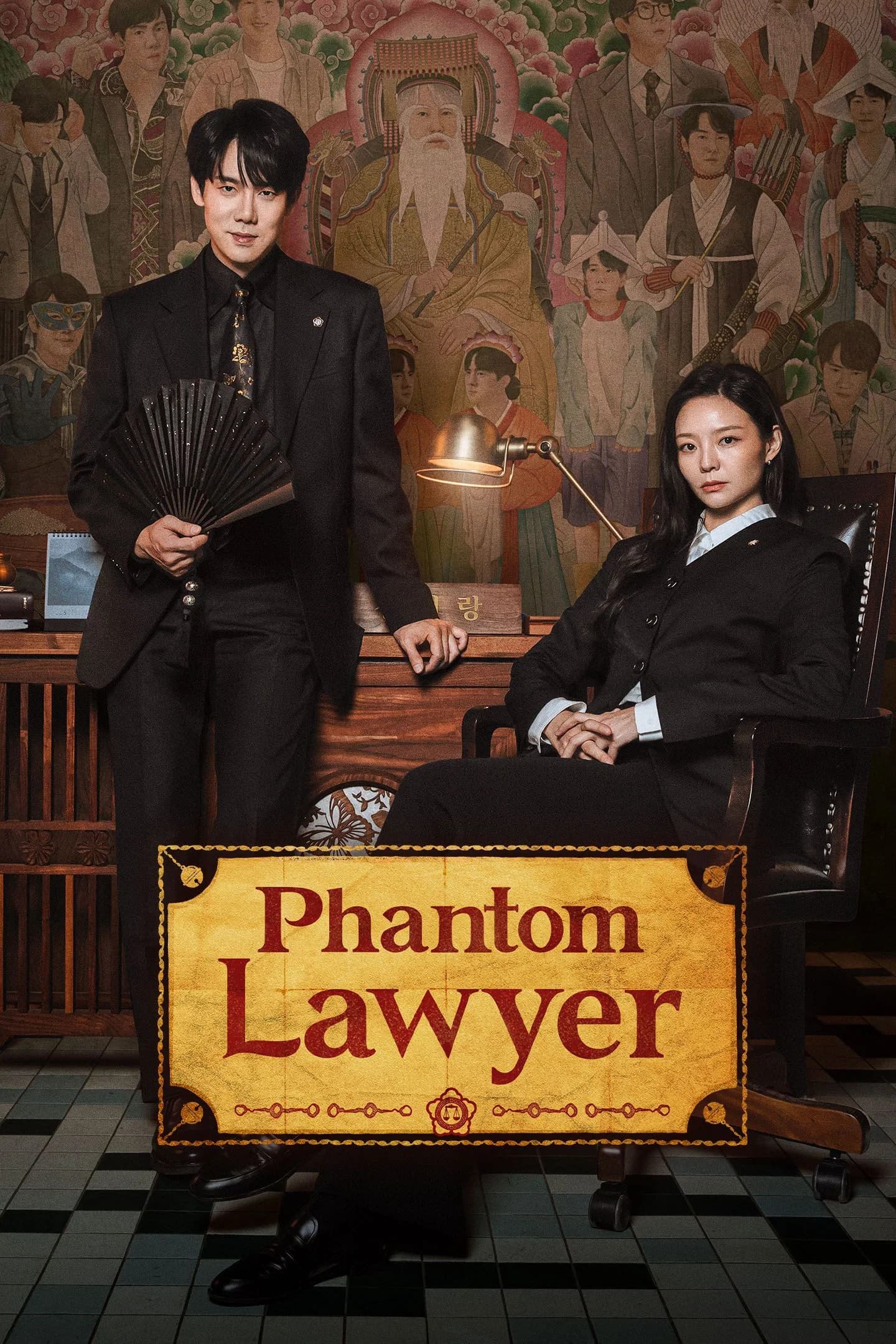
Phantom Lawyer
When the spring 2026 television season began, industry analysts expected the streaming charts to be dominated by massive, idol-led romantic comedies. Instead, a quirky supernatural legal procedural quietly debuted on SBS in mid-March and immediately rewrote the narrative. Within just two days of its premiere, Phantom Lawyer eclipsed a highly anticipated mega-tentpole series in domestic viewership and shattered streaming records. It ultimately made history as the first Korean drama ever invited for a special screening at Italy's prestigious Far East Film Festival. This unprecedented European festival recognition for a terrestrial K-drama validated what audiences had already discovered: this genre-blending series is far more than just a spooky courtroom comedy. By utilizing a brilliantly unhinged premise to explore profound themes of grief, institutional failure, and the true meaning of justice, the series became the sleeper hit of the year, proving that the most compelling television often comes from the most unexpected places.
At the center of this runaway success is a wildly inventive spin on the traditional legal procedural. Phantom Lawyer subverts the familiar tropes of slick, high-powered attorneys in glass-walled boardrooms by introducing a protagonist who can barely keep his own life together, let alone command a courtroom. The narrative follows Shin I-rang, an intelligent but painfully timid rookie lawyer whose career stalls before it even begins. After facing rejections from every major law firm in Seoul, I-rang is forced to open an independent practice in a deeply unconventional location: Room 501 of the dilapidated Okcheon Building. Unbeknownst to him, the office is the former residence of a powerful shaman, and crossing its threshold permanently alters his reality. I-rang suddenly gains the ability to see, hear, and interact with the dead. Almost immediately, spirits harboring unresolved grievances begin lining up at his door, effectively turning his humble office into a legal aid clinic for the afterlife.
This supernatural twist fundamentally changes the mechanics of the courtroom drama. In a standard legal thriller, attorneys build their cases on forensic evidence, eyewitness testimonies, and airtight legal precedents. I-rang, however, is handed the ultimate cheat code—he can simply ask the murder victim who killed them. Yet, the brilliance of the series lies in how it turns this apparent advantage into a massive logistical nightmare. The dead may know the truth, but a ghost cannot take the witness stand. I-rang is burdened with the impossible task of reverse-engineering cases. He must take the spectral confessions he hears in secret and find a way to prove them using admissible, real-world evidence. This creates a fascinating tension between supernatural omniscience and the rigid, often flawed rules of the conventional legal system. The dead become his clients, but he remains bound by the laws of the living.
Anchoring this chaotic premise is a career-defining performance by Yoo Yeon-seok as Shin I-rang. Yoo completely sheds the suave, confident leading-man persona typical of K-drama protagonists, fully committing to I-rang's awkward, nervous energy. His character is a deeply sincere but clumsy underdog who is thoroughly unprepared for the horrors and absurdities of his new reality. The role demands immense physical comedy, especially when the series introduces the twist that I-rang can be temporarily possessed by his ghostly clients. Yoo's versatility shines in these moments, seamlessly shifting from a stammering rookie lawyer to the flamboyant, hyper-energetic spirit of a teenage K-pop trainee, a viral sequence that caused a fever among viewers and single-handedly cemented the show's comedic genius. Yet, beneath the slapstick, Yoo grounds I-rang with a profound sense of empathy, portraying a man who is terrified of the dead but ultimately too compassionate to ignore their pleas for help.
Providing the necessary friction to I-rang's supernatural chaos is Han Na-hyeon, played with icy perfection by Esom. If I-rang represents the messy, unseen emotional truths of the world, Na-hyeon is the embodiment of cold, hard logic. As an elite, fiercely ambitious attorney at a top-tier law firm, she boasts a pristine one-hundred-percent win rate. Na-hyeon operates on facts, tangible evidence, and ruthless courtroom strategy. She is highly competitive and initially looks down on I-rang's bumbling nature and dilapidated office. When he first attempts to explain that his legal insights are coming from ghosts, she naturally dismisses him as completely unhinged. However, the paradigm shifts when I-rang manages to do the impossible: he defeats her in court. This shocking loss forces Na-hyeon to reevaluate her rival, setting the stage for one of the most compelling character dynamics in recent television memory.
The evolution of I-rang and Na-hyeon's relationship serves as the emotional spine of the 16-episode series. What begins as a bitter professional rivalry slowly morphs into a reluctant alliance, and eventually, a deeply complementary partnership. As Na-hyeon is forced to confront bizarre phenomena that defy her strict logical worldview, she begins to realize that the law alone cannot always deliver true justice. I-rang has the supernatural intuition to find the hidden truths, while Na-hyeon possesses the tactical brilliance and procedural knowledge to execute the legal maneuvers required to win. Their contrasting methodologies create a highly unusual, unstoppable legal team. Furthermore, the series masterfully handles their romantic development. Rather than overwhelming the legal plots with a forced love story, the romance is a slow-burn progression built on mutual respect and shared trauma. They challenge each other's core philosophies, learning that both the unseen emotional truth and the proven factual evidence are necessary to right the wrongs of the world.
Surrounding the dynamic central duo is a robust supporting ensemble that grounds the supernatural elements in tangible human stakes. Kim Kyung-nam delivers a standout performance as Yang Do-gyeong, a pivotal figure whose presence deeply complicates the overarching legal and personal conflicts. As the episodic cases unfold, Do-gyeong becomes increasingly intertwined with the darker, serialized mysteries connecting I-rang and Na-hyeon's respective pasts. The drama is further elevated by veteran character actors who anchor the broader narrative, including:
- Kim Mi-kyeong as Park Gyeong-hwa
- Jun Seok-ho as Yun Bong-su
- Choi Gwang-il as Yang Byeong-il
This rich tapestry of secondary characters prevents the series from feeling like a hollow procedural. Every supporting player, whether a rival attorney, a skeptical police officer, or a member of I-rang's makeshift found family, adds layers of emotional texture to the narrative, ensuring that the world feels lived-in and consequential.
While the serialized character arcs provide long-term investment, the immediate hook of Phantom Lawyer is its exceptionally well-crafted case-of-the-week structure. The show uses its supernatural premise to explore a wide variety of legal and social issues, refusing to be pigeonholed into a single tone. The premiere kicks off with a gripping medical malpractice lawsuit, where I-rang must use a deceased patient's testimony to expose a powerful hospital's cover-up. Subsequent episodes pivot wildly in atmosphere. One week, the show delivers a poignant mystery surrounding a high school girl whose tragic death unravels the dark underbelly of the K-pop trainee system. The next, it shifts into a classic whodunit, centering on a brilliant scientist whose demise casts immediate suspicion on his grieving wife. This structural flexibility allows the writers to seamlessly transition from laugh-out-loud comedy to intense courtroom thriller, often within the same episode.
What truly elevates these cases above standard supernatural fare is the philosophical approach to the ghosts themselves. In many fantasy dramas, spirits are treated merely as horrifying monsters to be vanquished or cheap plot devices to move the mystery forward. Here, they are fully realized, profoundly human characters. They are not haunting the living out of mindless malice; they are trapped by unresolved pain. Some desperately want their tarnished names cleared so their families can find peace. Others seek the exposure of a hidden truth, or simple legal accountability for the individuals who wronged them. The drama consistently shifts the narrative focus away from the horror of the supernatural, instead asking a deeply empathetic question: What does this specific person need in order to finally move on? By treating the dead with dignity, the series transforms a spooky gimmick into a beautiful meditation on closure, grief, and the lingering scars of injustice.
As the first season builds toward its conclusion, the isolated ghost cases cleverly coalesce into a massive, serialized conspiracy. Without venturing into major spoiler territory, the final stretch of episodes forces I-rang to turn his supernatural investigative skills inward. The mysteries of his own family history, particularly the unresolved and painful circumstances surrounding his father, take center stage. When the spirit of I-rang's father eventually manifests, the show delivers its most devastating emotional payload, forcing the protagonist to confront the very resentments and traumas he has spent his life avoiding. The overarching narrative reveals that the ghosts that haunted his office were not entirely random; their cases were stepping stones leading I-rang toward a much larger, systemic corruption embedded within the criminal justice system.
Ultimately, Phantom Lawyer distinguishes itself as a landmark achievement in the crowded landscape of Korean television. It proves that a show can feature a man being possessed by the ghost of a dancing teenager while simultaneously delivering a razor-sharp critique of institutional apathy. It is tailor-made for audiences who appreciated the heartwarming episodic victories of similar underdog legal dramas but crave a supernatural world-building edge. By refusing to limit its definition of justice to the realm of the living, the series opens up entirely new avenues for empathetic storytelling.
With powerhouse performances from Yoo Yeon-seok and Esom, razor-sharp writing, and a tone that effortlessly balances the hilarious with the heartbreaking, this 16-episode journey is a masterclass in genre-blending television. It is a show about listening to those who have been silenced, whether by societal marginalization or by death itself. For viewers seeking a drama that breaks the conventional mold while delivering immense emotional satisfaction, this historic, festival-acclaimed series is an absolute triumph. The complete first season, which originally aired from March to May 2026, is currently available to stream internationally for audiences ready to step into Room 501.
Comments
Login to write comment / Кино үзэхийн тулд заавал нэвтрэх хэрэгтэй
Log inNo comments yet. Be the first to write one!